

Joint Postgraduate School:
Food Transitions 2050
The Joint Postgraduate School Food Transitions 2050 is a strategic three-way partnership between Lincoln University, the University of Canterbury and the Bioeconomy Science Institute.
Originally set up between five research organisations located in the Canterbury region: AgResearch, Lincoln University, Manaaki Whenua Landcare Research, Plant & Food Research and the University of Canterbury, our research aims to support the transition of our regional, national and international food systems to a future, more sustainable, state.



Our Students:
Our Research:
Our Future:
NEWS
Call for Proposals Applications Now OPEN
Food Transitions 2050 - Annual Hui
Project Call.
Are you a staff member at UC, LU or the BSI? Are you interested in food innovation? We are currently calling for proposals by supervisory teams for PhD projects to begin in 2027.
Click on the BE INVOLVED - APPLY NOW button at the top of the page
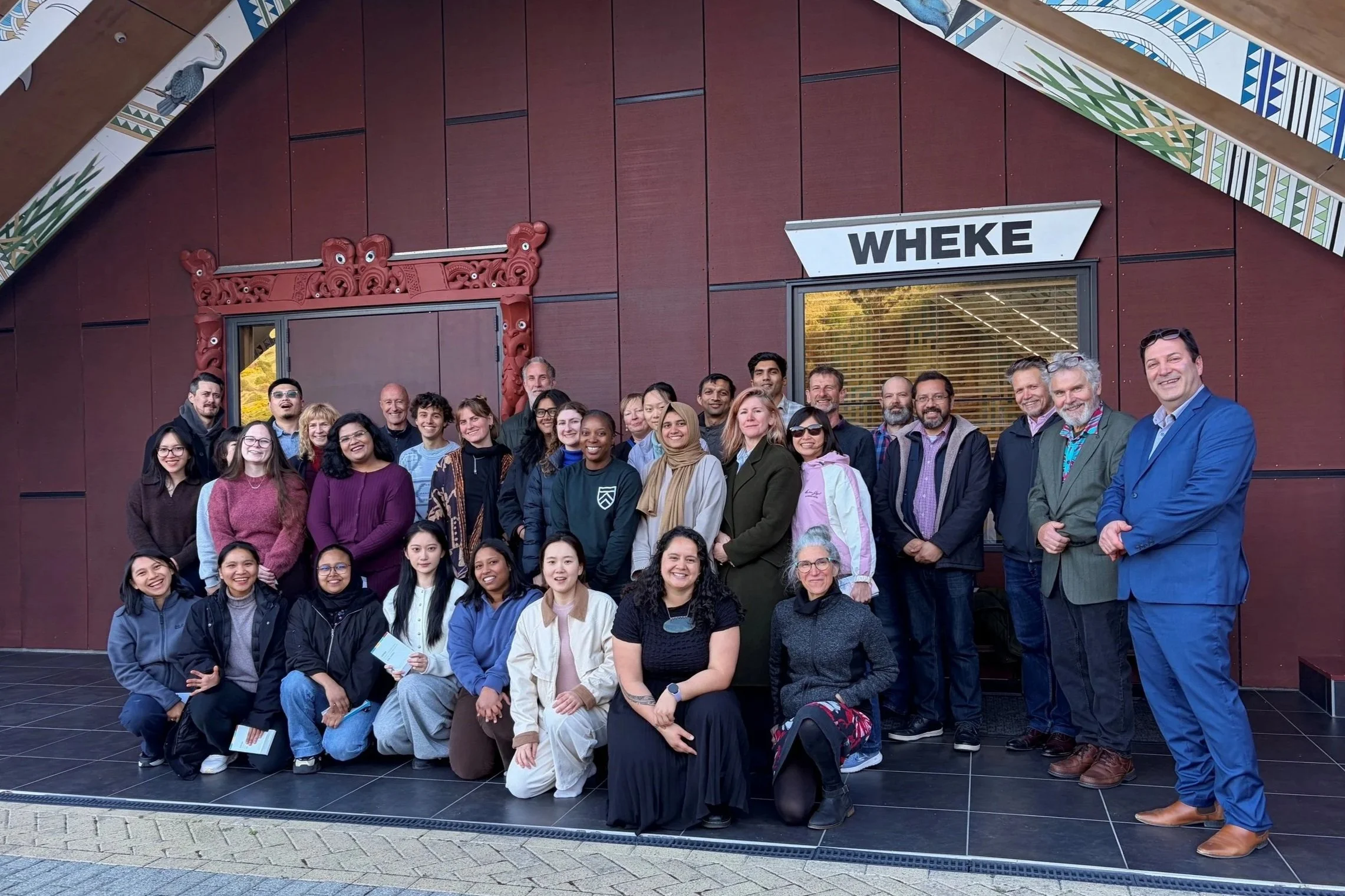
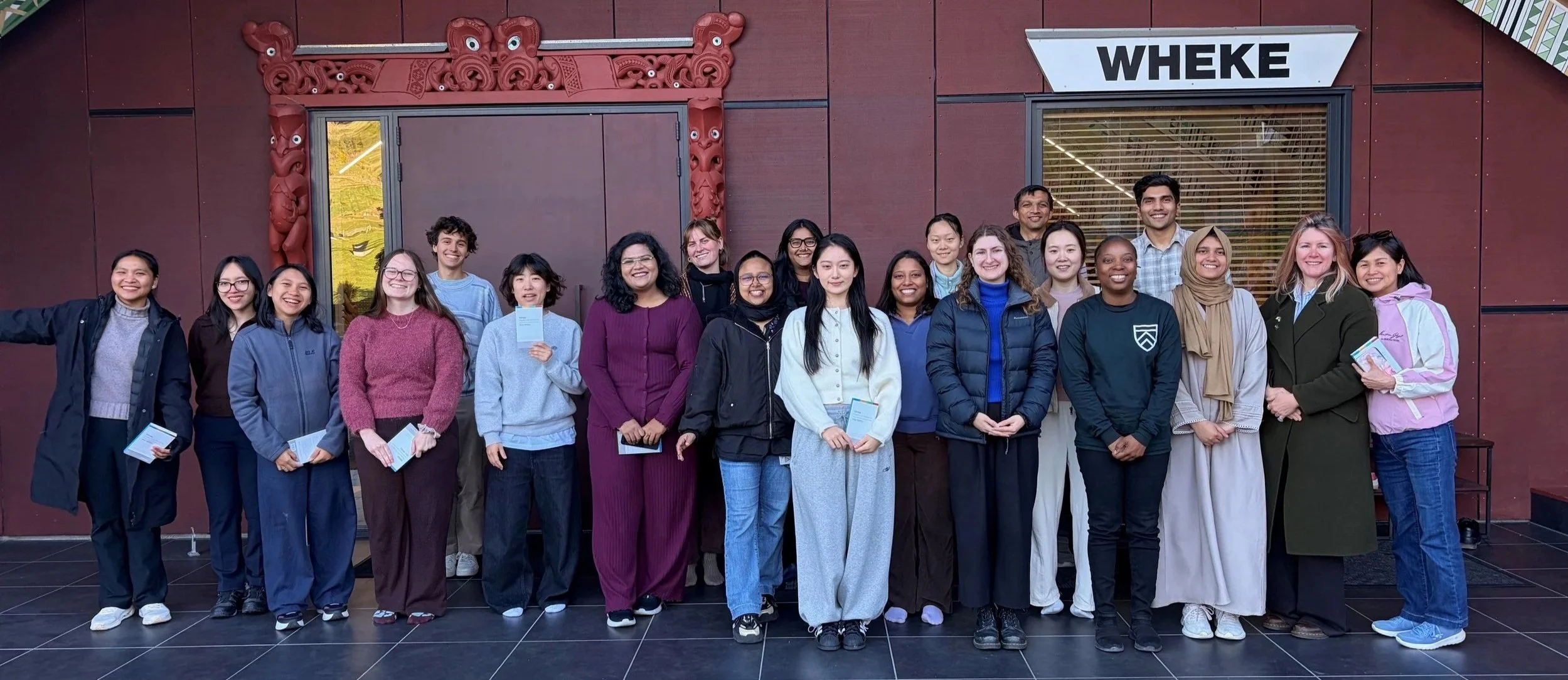
FT2050 held its Annual Hui in September, bringing our students and supervisory teams together to share their research and providing the opportunity to build and strengthen connections across the programme. Set in the beautiful surroundings of Rāpaki Marae, the day also offered an introduction to Māori culture — a first for many of our international students.
Thank you to everyone who came and helped make this day a success.
Maple and Birch Syrup Production in New Zealand
Our August seminar featured Prof Matt Watson, Professor of Chemical and Process Engineering at UC, and his research on work on New Zealand maple and birch syrup production. As well as the more technical aspects of this project, we also discussed
🍁 Don't make a bet if you aren’t willing to lose! Hence how Matt got into maple and birch syrup research in NZ.
👥 Talk to people. You never know who or what you will find... True collaboration is essential to progress; you will get further ahead than trying to do it alone.
🧭 Try things. You never know what you will discover...

Overview
Food Transitions 2050 is a postgraduate school focusing on food sustainability. The result of a multilateral partnership, the initiative is dedicated to supporting the transition of our regional, national and international food systems – the first for postgraduate research in Aotearoa New Zealand. The school’s core purpose is to support the transition to more future-focused, sustainable food systems and preparation by the year 2050.
At the heart of the initiative is a virtual community of practice of PhD students and their supervisory teams conducting research in a set of PhD projects linked by the overarching theme of Food Transitions 2050.
How it works
PhD students in the initiative are enrolled at one of the two university partners, and students and their supervisory teams operate under the requirements for PhD research enrolment at their home university. The intention is that the PhD student experience is as consistent as possible across the School.

“The school’s core purpose is to support the transition to more future-focused, sustainable food systems and preparation.”
Applications for projects are now OPEN
Applications for projects by supervisory teams open in September each year. Prospective candidates will be able to apply for PhD positions within these projects from early December.